Richard Morgan/DIY Works
DIY Works is reader-supported. When you buy through links on our site, we may earn an affiliate commission.
Find out more.
Choosing the best electric shower isn’t as simple as picking the highest kW rating you can find. Before you commit to a powerful 10.5kW unit, you need to check whether your consumer unit has the amperage to support it safely. Get this wrong and you’re looking at additional electrical work that can quickly eat into your budget.
Electric showers remain a practical choice for many UK homes because they only need a cold water feed and a suitable power supply. There’s no reliance on your boiler or hot water cylinder, which makes them ideal for en-suites, loft conversions or anywhere hot water plumbing would be expensive to run. The key considerations are your available electrical capacity, the incoming water pressure, and whether you need thermostatic temperature control for safety.
We’ve installed electric showers across several of our properties, including the Triton T80 shown in our testing section below. This hands-on experience has taught us which units deliver consistent performance, which are genuinely straightforward to fit, and where you get the best value for money in different situations.
Best Overall: Triton Seville 10.5kW Electric Shower
Best For Performance: Mira Sport Max 10.8kW
Best For Low Water Pressure: Bristan Bliss 3 8.5kW
Best Quality: Mira Azora Thermostatic Electric Shower
Best All-Rounder: Aqualisa Quartz 9.5kW
Best Budget: Gainsborough SE 8.5kW Electric Shower
How We Test Electric Showers
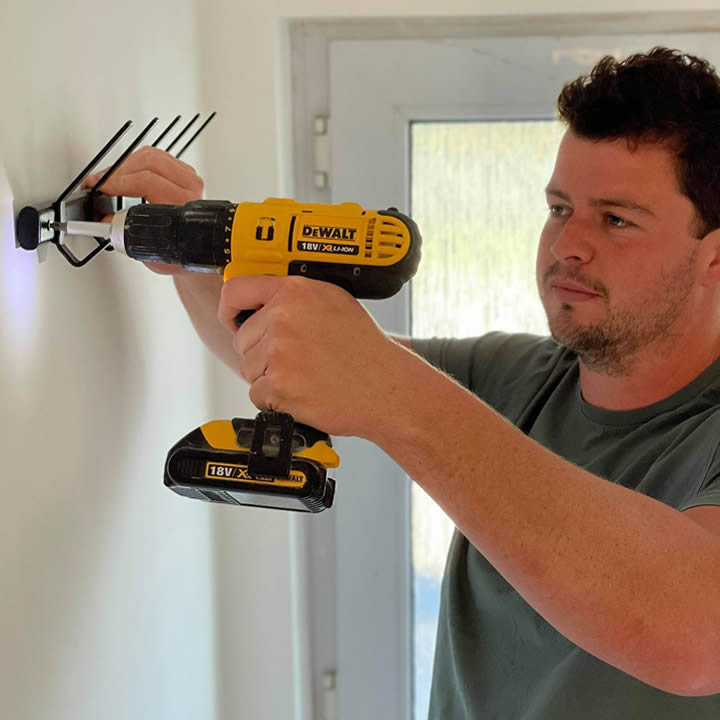
Across our rental properties and Airbnbs, we have fitted and replaced electric showers multiple times, giving us direct experience of installation challenges and long-term performance. The Triton T80 installation shown below demonstrates this hands-on approach. We found it genuinely straightforward to fit, with clear cable routing and solid mounting points, and it has delivered consistent water temperature and pressure over 18 months of heavy guest use.

Richard Morgan/DIY Works
Richard Morgan/DIY Works
Richard Morgan/DIY Works
Our testing focuses on real-world performance rather than laboratory conditions. We evaluate build quality by examining component materials, checking for any play in controls after extended use, and monitoring how units perform in high-usage rental situations. Installation ease matters because we do the work ourselves, so we note genuine pain points like unclear instructions or awkward cable entry points. We also track performance over months, not days, observing how water temperature stability and flow rate hold up with regular use.

Richard Morgan/DIY Works
Richard Morgan/DIY Works
Richard Morgan/DIY Works

Richard Morgan/DIY Works
Richard Morgan/DIY Works
Richard Morgan/DIY Works
Beyond our direct installation and testing experience, we researched manufacturer specifications, compared warranty terms, and evaluated the range of spray patterns and power ratings available. We considered practical factors like which units work reliably with low water pressure, how different kW ratings perform with varying electrical supplies, and whether the included components genuinely simplify installation or just add to the box weight.
Electric Shower Buying Guide
Electric showers heat cold water on demand, making them ideal where there’s no existing hot water supply or where you need reliable hot water regardless of what’s happening elsewhere in the house. The key decision is power rating, measured in kilowatts, which directly affects both water temperature and pressure.
Based on our experience installing electric showers across multiple properties, the most important factors are power rating, safety compliance, and whether your existing electrics can handle the unit you want. We’ve fitted everything from budget 8.5kW units in rental properties to premium 10.5kW models in master ensuites, and the difference in performance is significant.
This guide covers the practical decisions you’ll face when choosing an electric shower, from working out what kW rating you need to understanding installation requirements.
Safety Regulations and Electrical Requirements
Electric showers draw substantial power, and your consumer unit must be capable of handling this safely. An 8.5kW shower draws around 37 amps, whilst a 10.5kW unit pulls over 45 amps. Most older consumer units cannot support this without upgrades.
You’ll need a dedicated circuit with appropriate cable thickness and RCD protection. The cable run from your consumer unit to the shower location also matters – longer runs require thicker cable to handle the current safely. Check with a qualified electrician before purchasing, as discovering your electrics need upgrading after buying the shower is both expensive and frustrating.
Installation: DIY or Professional
Installing a completely new electric shower requires both electrical and plumbing work, which legally must be done by qualified professionals. The electrical connection needs Building Regulations approval, and most installations take a full day when running new circuits and supplies.
Replacing an existing electric shower is much simpler if the power supply and water feed are already suitable. We’ve done several like-for-like replacements across our properties, and they typically take 2-3 hours. The key steps are isolating power and water, removing the old unit, connecting the new one to existing supplies, and testing all functions thoroughly.
If you’re replacing an electric shower with a more powerful model, check the existing cable can handle the higher current. Upgrading from 8.5kW to 10.5kW usually means running new cable, which brings you back into professional installation territory.
What kW Rating Do You Need
The power rating determines both water temperature and flow rate. We’ve found 8.5kW units adequate for basic washing but they struggle to maintain hot water at decent pressure. Step up to 9.5kW and you get noticeably better performance, whilst 10.5kW units deliver genuinely satisfying showers even in winter when the incoming mains water is coldest.
In our rental properties, we typically fit 8.5kW units for budget reasons, but in homes where shower quality matters, we always recommend 9.5kW minimum. The 10.5kW units we’ve installed perform significantly better but require higher electrical capacity and cost more to run.
If you have low mains water pressure, even a powerful electric shower won’t solve the fundamental flow problem. Consider a pumped electric shower or address the pressure issue separately.
Temperature Control Technologies
Basic electric showers vary temperature by adjusting power to the heating element, which can cause fluctuations when water demand changes elsewhere in the house. Temperature stabilised models compensate by reducing flow when maintaining temperature, whilst thermostatic versions use a mixing valve to maintain consistent output regardless of supply variations.
Based on our experience, thermostatic control is worth paying extra for in busy households where multiple water outlets get used simultaneously. The Triton units we’ve fitted with thermostatic control maintain temperature much more reliably than the basic models, though they do cost considerably more.
- Controls and Ease of Use
Most electric showers use rotary controls for temperature and flow, with separate start/stop buttons or pull cords. Digital displays showing actual temperature are helpful but not essential. The control layout matters more than fancy displays – you want temperature and flow controls that are intuitive when you’re half-awake or have soap in your eyes.
We’ve found the traditional rotary dial systems more reliable long-term than digital controls, which can fail and are harder to repair. Simple mechanical controls also work better in steamy bathroom conditions.
- Key Features Worth Having
Phased shutdown runs water through the unit for a few seconds after you turn it off, clearing residual hot water and reducing limescale buildup. We’ve noticed less maintenance issues with units that have this feature, particularly in hard water areas.
Replaceable heating elements save money long-term if the element fails, though this is less common with quality units. Multiple spray patterns are nice to have but not essential – a single good shower pattern beats multiple mediocre ones.
- Reliable Brands
Triton and Mira dominate the UK electric shower market for good reasons – both offer reliable products with readily available spare parts and decent warranties. We’ve fitted numerous Triton T80s across our properties and they consistently perform well for the price.
Bristan and Aqualisa make quality units but parts can be harder to source locally. For rental properties or where long-term parts availability matters, sticking with Triton or Mira makes practical sense. Premium brands like Aqualisa suit situations where shower quality is the priority over running costs.
- Making the Right Choice
Electric showers make sense where there’s no existing hot water supply to the shower location, or where you want hot water independent of your main heating system. They’re particularly useful in ensuite bathrooms or loft conversions where running hot water pipes would be impractical.
Choose the highest kW rating your electrical supply can handle and your budget allows. The performance difference between an 8.5kW and 10.5kW shower is substantial enough to justify the extra cost in most situations. Always verify your consumer unit can handle the power requirement before purchasing – discovering you need electrical upgrades after buying the shower is an expensive mistake.
- Turn on both the power and water supply.
- Test thoroughly using all the functions and temperature settings.
Replacing an electric shower rather than installing a complete new system is far easier. Unless you’re confident in what you’re doing, we’d recommend contacting a professional to avoid any problems.
Power Options
The main specification of an electric shower is the kW rating. The most common options are 8.5kW, 9.5kW and 10.5kW. When browsing the various options available, we’d strongly suggest choosing a system rated at 8.5kW or above to make sure you always have a hot shower.
If you’re willing to spend a bit more, a powerful electric shower such as a 10.5kW system will let you run higher pressure at higher temperatures. The trade-off is greater water usage and a higher purchase price. Alternatively, if you have low water pressure in your house, your best option would be a power shower with a built-in boost pump.
Lower powered eco-friendly electric showers pass water slowly over the heating element to heat it, which results in less pressure at higher temperatures. This isn’t ideal, but if you have an unreliable water supply or a small water tank, the lower powered alternatives are worth considering.

Richard Morgan/DIY Works
Richard Morgan/DIY Works
Richard Morgan/DIY Works
Phased Shutdown
To help improve the longevity of the system, some brands include a phased shutdown feature. This means the water continues to run for a few seconds after you switch it off. The purpose is to let any water left in the system drain out, which reduces limescale build-up in the heater and shower head.
Temperature Stabilised and Thermostatic Systems
Water that fluctuates in temperature whilst you’re showering can be highly frustrating. These fluctuations are often caused by a toilet being flushed or a tap being turned on elsewhere in the house. If this is something you find irritating, you’ll want an electric shower that features temperature stabilisation. It works by controlling the water temperature according to how much water passes through the system, though this can sometimes result in a slower flow.
An alternative is a thermostatic system that keeps the water temperature constant regardless of changes in the water supply. It’s the preferred option over temperature stabilised systems, but it does cost more to buy.
Ease of Use
Using an electric shower shouldn’t be complicated, and thankfully most aren’t. The majority of systems use a rotary dial for controlling temperature, with some featuring a digital display showing the selected temperature. Stopping and starting the shower usually differs between models. Some use a push button whilst others use another rotary dial.
Benefits of Choosing an Electric System
Installing an electric shower instead of a standard system has several benefits:
- Easier installation
- Endless hot water supply
- More versatile
- Energy efficient
- Independent from the hot water supply
If you’re fortunate enough to have an en-suite or additional bathrooms in your home, an electric shower is often the best option. This is down to the ease of installation and the limited plumbing required.
Top Electric Shower Brands
Buying an electric shower from a reputable brand is well worth doing. Not only will spare parts and accessories be available, but they often come with better warranties. Some of the brands we’d recommend include:
- Triton
- Mira Showers
- Bristan
- Aqualisa
- and a few others
Conclusion
Installing an electric shower rather than a thermostatic shower can be the best option where there’s no existing plumbing. All you need for an electric system is a power supply and a cold water feed to the shower. If your budget allows, we’d recommend choosing a higher kW rated system. The increased water pressure at your desired temperature transforms the showering experience and makes the extra investment worthwhile.
All of our recommendations above suit a range of budgets and come from the best brands in the UK. To avoid disappointment, check that your consumer unit can support the power the system requires before you buy.
If you need further information about any of our electric shower recommendations, feel free to get in touch and we’ll try to help where we can.
Conclusion
An electric shower makes sense when there’s no existing hot water plumbing in place or when you want a supply that’s independent of your boiler. Installation is relatively straightforward with just a cold water feed and appropriate power supply required. If your electrical setup allows, we’d recommend a higher kW model of 9.5kW or above for a more satisfying flow rate, particularly during colder months when incoming water temperatures drop.