The Best Paint Strippers For Wood And Metal Surfaces
Gels and pastes that lift years of built-up paint off woodwork and cast iron without hours of sanding.

Our quick verdict
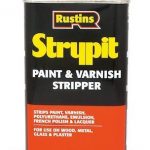
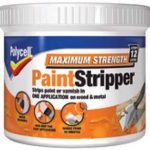
Our pick of the best paint stripper is the Rustins Strypit, the gel we used alongside a heat gun, and one that handles almost anything you'll strip at home, from doors and banisters to metal and masonry. For thick, stubborn paint, the Polycell Maximum Strength Paint Stripper works fast on built-up layers, with Polycell saying it starts in 20 minutes and lifts up to 12 coats.
DIY Works is reader supported. If you buy through our links we may earn a commission, which never changes what we recommend. How we make money.
Our Picks At A Glance
- Check price of Rustins Strypit
- Check price of Polycell Maximum Strength Paint Stripper
Most Effective
Polycell Maximum Strength Paint StripperFast stripping of many coats from wood and metal
- Check price of Biostrip Water Based Paint Stripper
Most Environmentally Friendly
Biostrip Water Based Paint StripperIndoor stripping on a range of surfaces including uPVC and glass
- Check price of Nitomors Paint & Varnish Remover
Best Value
Nitomors Paint & Varnish RemoverBigger jobs on wood, metal and masonry where you need larger bottles
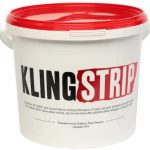
- Check price of Kling Strip Peel-It-Off
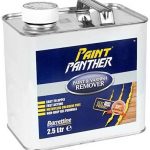
- Check price of Barrettine Paint Panther
Time and layers are the trade-off with every stripper on this list. A gel brushed onto a door gets to work within hours, a thick paste shifts more coats in one go, and a poultice left under cover for up to two days lifts the lot without scraping. Since dichloromethane (DCM) was restricted for home use, all of them need more soaking time than the old tins did.
Test original woodwork for lead before reaching for a heat gun. The six below cover wood, metal and masonry, from everyday gels to a slow poultice.
How We Tested These Paint Strippers
We've stripped plenty of old paint over the years, from decades of paint on an old metal gutter to multiple layers on skirting boards, and a decent stripper has done the job each time.
Our recent testing covered both wood and metal, and every example had multiple thick layers of paint to get through.


Each stripper was judged on how effective it is, how easy it is to apply, the type of formula, the odour, which surfaces it suits and the value for money. Where we haven't used a product on our own jobs, the claims on coverage and coats come from the manufacturer and we've said so.
The Best Paint Strippers We Recommend
Every stripper here is a gel or paste that clings to vertical surfaces. Check the surfaces each one suits before you buy, as some work better on wood than metal.
Best Overall
Rustins Strypit

Best for: Mixed jobs on wood and metal where you're also using a heat gun
Check Price On AmazonRustins Strypit is the stripper we tested alongside a heat gun, and the two work well together. It's a non-caustic gel without dichloromethane, so it's safer to use than the old formulas while still doing a proper job.
Rustins says it suits wood, metal, glass, plaster, stone and masonry, and strips paint, varnish, polyurethane, emulsion, polish and lacquer. That covers almost anything you'll find on a door, banister or fireplace. The one downside we noticed is how much you get through, as thick layers need a generous coat. It comes in 500 ml and larger sizes, and it's worth buying more than you think.
What we like
- Non-caustic and free of dichloromethane
- Suits wood, metal, glass, plaster, stone and masonry
- Strips paint, varnish, polyurethane and lacquer according to Rustins
- Worked well alongside a heat gun in our test
- 500 ml and larger sizes
What to know
- We used a lot of product on thick layers
Our verdict
Rustins Strypit is the stripper to keep on the shelf for most jobs around the house, and on woodwork it makes a good partner to a heat gun, clearing what's left in the grain once the heat has lifted the bulk. Our one gripe is how quickly it goes, so buy a larger size for anything bigger than a door. Indoors, where you'd rather avoid harsh chemicals, water-based Biostrip is the gentler option.
Most Effective
Polycell Maximum Strength Paint Stripper

Best for: Fast stripping of many coats from wood and metal
Check Price On AmazonPolycell's Maximum Strength stripper is a non-drip paste that you spread onto the painted surface with a spatula. Polycell says it starts working in 20 minutes and can strip up to 12 coats of paint in one application, which makes it one of the quicker options here.
Once it's had time to soak in, the paste is designed to come away with the softened paint underneath, which means less heavy scraping than with a thinner gel. Leftover residue washes off with water. It handles most types of paint and varnish on wood and metal, so it's a good choice for doors, window frames and railings. It costs more per 500 ml than most of the other strippers in this list, which adds up on larger jobs.
What we like
- Strips up to 12 coats in one application according to Polycell
- Starts working in 20 minutes
- Non-drip paste for vertical surfaces
- Residue washes off with water
- Suits most paints and varnishes
What to know
- Costs more per 500 ml than most strippers in this list
Our verdict
Speed is the selling point, and because the thick paste is designed to come away with the softened paint, Polycell Maximum Strength suits doors, frames and railings you want finished in an afternoon. You pay more per 500 ml for it, though, and big jobs on a budget suit the larger bottles of Nitomors better.
Most Environmentally Friendly
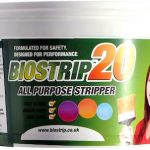
Biostrip Water Based Paint Stripper

Best for: Indoor stripping on a range of surfaces including uPVC and glass
Check Price On AmazonBiostrip is a water-based stripper, which Biostrip describes as safe to use and environmentally friendly. The brand has thickened the formula, so it clings better and wastes less through drips. It's a clear gel that you rub on, and it also comes as a spray.
Biostrip says it suits wood, stone, brick, metal, uPVC and glass, and removes water and oil-based paints along with varnish and primer. Being suitable for uPVC makes it handy for cleaning paint splashes off window frames. Biostrip quotes 2 to 3 square metres per 500 ml. Don't take water based to mean odour free, as it gave off a mild to strong smell in our testing, and it's less aggressive than the chemical formulas, so allow more time.
What we like
- Water-based formula
- Suits uPVC and glass as well as wood and metal
- Removes water and oil-based paints, varnish and primer
- Sold as a gel or a spray
- Thicker formula reduces drips
What to know
- Gave off a mild to strong smell in our testing
- Less aggressive than the chemical strippers
Our verdict
Biostrip suits indoor jobs where you'd rather avoid harsh chemicals, and Biostrip says it's safe on uPVC. Allow extra time and keep windows open. If you need more stripping power on thick paint, Rustins Strypit or Polycell Maximum Strength will get through it faster, and for low odour, Barrettine Paint Panther is the alternative.
Best Value
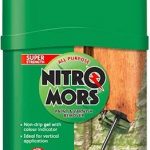
Nitomors Paint & Varnish Remover

Best for: Bigger jobs on wood, metal and masonry where you need larger bottles
Check Price On AmazonNitomors is a green, non-drip gel that changes colour when it's ready to scrape, so you're not guessing when to start. Nitomors says it can remove up to 15 layers in two or three applications.
It's free of dichloromethane and less volatile than older strippers, and it suits wood, metal and masonry, including vertical surfaces. Coverage is 2.5 square metres per litre, and it comes in 350 ml, 750 ml and 2 litre bottles, so the big bottle makes sense for a full staircase or several doors. We used the previous formula successfully, but the newer one doesn't have the same strength, so expect to apply it more than once.
What we like
- Colour change shows when it's ready to scrape
- 350 ml, 750 ml and 2 litre bottles
- Non-drip gel for vertical surfaces
- Free of dichloromethane
- Suits wood, metal and masonry
What to know
- Newer formula is weaker than the previous one we used
- Coverage of 2.5 square metres per litre
Our verdict
Nitomors is the better buy for larger jobs on a budget, where the 2 litre bottle and the colour indicator make life easier. Plan for repeat coats, as the newer formula isn't as strong as the one we used before. If you need maximum strength in fewer applications, Polycell Maximum Strength works faster.
Best Professional
Kling Strip Peel-It-Off

Best for: Thick paint on stairs, beams, cornices and cast iron
Check Price On AmazonKling Strip is a no-scrape poultice that the brand has made in the UK since 1974. You spread it on thickly, cover it, and leave it to soak through layer after layer of paint, then peel the lot away. Our testing photos show a tub on a staircase we stripped, with the poultice under plastic sheeting on the risers.
Kling Strip says it removes paint in one application and suits woodwork, beams, fibrous plaster cornices and cast iron, which is the kind of detailed work where scraping does damage. The trade-off is time and money. It needs up to 48 hours to work and it's the most expensive stripper in this roundup, though a UK retailer listing quotes up to 6 square metres per litre. For a staircase or ornate cornice, the slower pace is worth it.
What we like
- No-scrape poultice that peels away
- Removes paint in one application according to Kling Strip
- Suits beams, fibrous plaster and cast iron
- Lifts thick layers on detailed mouldings
- Made in the UK since 1974
What to know
- Needs up to 48 hours to work
- Most expensive stripper in this roundup
Our verdict
Kling Strip is right for heavily painted stairs, cornices, beams and cast iron where you want the paint off in one go without gouging the detail. Plan the job around the 48 hour wait. For quicker jobs on doors and frames, Polycell Maximum Strength works in minutes, and Rustins Strypit is the better all-rounder for smaller areas.
Best Value Runner-Up
Barrettine Paint Panther

Best for: Low-odour stripping on large indoor areas
Check Price On AmazonPaint Panther is a non-drip gel paint and varnish remover from Barrettine. It's free of methylene chloride, which is another name for dichloromethane, and it's non-caustic, so it's gentler on skin and surfaces than old-style strippers.
Barrettine describes it as virtually odourless, which makes it a good choice for stripping indoors in a room you're still living in. Barrettine says it's easy to apply and remove, and the gel is non-drip so it clings to vertical surfaces. The catch is size. It only comes in a 2.5 litre tin, which works out well for large areas like a whole staircase or a run of panelling but is far more than you need for one small job.
What we like
- Virtually odourless according to Barrettine
- Free of methylene chloride and non-caustic
- Non-drip gel
- Easy to apply and remove
- Good value on large areas
What to know
- Only sold in a 2.5 litre tin
Our verdict
Paint Panther suits anyone stripping a large area indoors who wants to keep the smell down. The big tin is good value if you'll use it all. For a single door or fireplace, Rustins Strypit comes in smaller sizes, and Nitomors offers 350 ml and 750 ml bottles if you want a smaller budget option.
What To Know Before Buying A Paint Stripper
The right stripper depends on the surface, how many layers are on it and how long you can leave the job. Safety matters too, more than with most decorating products.
Gel, Paste Or Poultice
Gels like Rustins Strypit and Nitomors are easy to brush on and cling to vertical surfaces. They work in minutes to hours and suit doors, frames and skirting. Pastes like Polycell's are thicker and hold more stripper against the paint, so they tackle more layers at once.
Poultices such as Kling Strip are applied thickly and covered, then left for a day or two. They're slow but remove many layers in one go without scraping, which protects fine mouldings and plasterwork.
Matching The Stripper To The Surface
Most strippers handle wood and metal, but not all suit masonry, plaster, glass or uPVC. Check the label before you start, and test on a hidden spot first. Some strippers darken certain hardwoods, and caustic types can raise the grain on softwood.
Once timber is stripped back, fill dents and cracks using one of the best wood fillers and seal any exposed knots with a knotting solution before priming.
Using A Heat Gun Alongside Stripper
A heat gun softens thick paint on wood quickly, and a scraper lifts it off in strips. Follow up with a chemical stripper to clear what's left in the grain and mouldings. Keep the heat gun moving to avoid scorching the timber, and never use it near glass, which can crack, or on metal pipes close to plastic fittings.
Safety And Old Lead Paint
Old layers of paint can contain lead, especially on original doors, windows and skirting. Use a lead test kit before you start. If lead is present, don't use a heat gun or dry sand, as both release harmful dust and fumes. A chemical stripper or poultice is the safer route.
Wear chemical-resistant gloves and eye protection, keep the room ventilated and cover floors with polythene. Our guide on getting rid of paint smells has tips for clearing the air afterwards.
Cleaning Up Before Repainting
Stripper residue left on the surface will stop new paint bonding. Neutralise or wash down as the label instructs, which is water for some products and white spirit for others. Let the surface dry fully, sand lightly and wipe off the dust before you start on primer and a fresh coat of gloss.
Paint Stripping Questions We're Asked
How long do you leave paint stripper on?
Leave paint stripper on for the time on the label, which ranges from about 20 minutes for fast pastes like Polycell to up to 48 hours for poultices like Kling Strip. Test a small area with a scraper before doing the whole surface. If the paint doesn't lift down to the bare surface, leave it longer or apply another coat rather than scraping hard.
Is it better to sand or strip paint?
Stripping is better than sanding when there are several thick layers of paint, detailed mouldings or a chance the old paint contains lead. Sanding creates fine dust and can round off crisp edges. For a single coat in good condition, or to key paint before repainting, light sanding is quicker. Many jobs use both, stripping first and sanding lightly afterwards to smooth the surface.
Can paint stripper damage wood?
Paint stripper can damage wood if it's left on too long, used on the wrong timber or not cleaned off properly. Caustic strippers can darken hardwoods like oak and raise the grain on softwood. Choose a non-caustic formula for fine timber, test a hidden area first, and wash or neutralise the surface as directed before repainting or varnishing.
What is the strongest paint stripper you can buy in the UK?
Since dichloromethane was restricted for home use, the strongest UK paint strippers for DIY are thick pastes and poultices. Polycell Maximum Strength works quickly on many coats, and Kling Strip removes thick layers in one application if you can leave it for up to 48 hours. Strength also depends on how long you leave a stripper on and how thickly you apply it.
Which paint stripper would you use on a staircase?
Kling Strip Peel-It-Off is the one we'd use on a heavily painted staircase. Our photos show the poultice under plastic sheeting on the risers, where it soaks through the layers so you can peel the paint away without gouging the detail. It needs up to 48 hours to work and it's the most expensive stripper in our roundup, so plan the job around the wait.
Is a water-based stripper like Biostrip low in smell?
No. Biostrip gave off a mild to strong smell in our testing, so keep windows open when you use it indoors. Biostrip is less aggressive than the chemical strippers, which makes it better for lighter jobs than thick paint. Barrettine Paint Panther is the one to look at for low odour, as Barrettine describes it as virtually odourless.
Is the current Nitomors as good as the old formula?
The newer Nitomors formula is weaker than the previous one we used, so plan for repeat coats. Nitomors says it can remove up to 15 layers in two or three applications. The green gel changes colour when it's ready to scrape, which takes the guesswork out, and the 2 litre bottle makes it a sensible buy for a larger job on a budget.
Does Rustins Strypit get through thick paint in one go?
Rustins Strypit lifts paint, varnish and lacquer well, and it works nicely alongside a heat gun on woodwork. On thick layers we used a lot of product, though, so buy a larger size for anything bigger than a door. Heavy build-up on stairs, beams or cast iron suits Kling Strip better, as Kling Strip says it removes paint in one application.
Our Paint Stripper Recommendation
Rustins Strypit is the paint stripper we'd buy for most jobs around the house, working on wood, metal and masonry and pairing well with a heat gun. For thick paint on stairs, cornices or cast iron, Kling Strip Peel-It-Off is the stronger option if you can wait up to 48 hours for it to work.

Eddie spent five years as a self-employed painter and decorator before going part time to become one of the main writers at DIY Works. From garden fences to mist coats on fresh plaster, painting and decorating is his speciality.