The Best SDS Drills For Heavy-Duty Drilling And Breaking
Hammer drills and breakers that make light work of brick and concrete around the house.

Our quick verdict
Our pick of the best SDS drill is the Makita DHR242Z SDS Plus Drill. It's one cordless tool that drills, hammers and chisels, so fixings, cable runs and light breaking are all covered without a lead trailing behind you. If you don't own any batteries and want to spend less, the Bosch GBH 2-26 Corded SDS Drill is the better start, and it keeps going as long as the job does.
DIY Works is reader supported. If you buy through our links we may earn a commission, which never changes what we recommend. How we make money.
Our Picks At A Glance
- Check price of Makita DHR242Z SDS Plus Drill
Best Overall
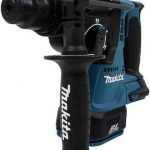
Makita DHR242Z SDS Plus DrillHomeowners already on Makita 18V batteries who want one SDS drill for everything
- Check price of DEWALT DCH133NT Cordless SDS Hammer Drill
Best Cordless
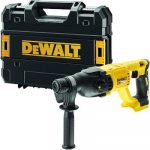
DEWALT DCH133NT Cordless SDS Hammer DrillDEWALT battery owners drilling into concrete, brick and masonry
- Check price of Bosch GBH 2-26 Corded SDS Drill
Best Corded
Bosch GBH 2-26 Corded SDS DrillBudget buyers who want a dependable corded SDS drill with chisel function
- Check price of Milwaukee M18CHX-0 Cordless SDS Drill
Best For Performance
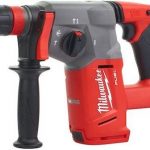
Milwaukee M18CHX-0 Cordless SDS DrillTrades and heavy users who drill into concrete most days
- Check price of Makita HM0871C SDS Max Demolition Hammer
Best SDS Max
Makita HM0871C SDS Max Demolition HammerBig breaking jobs like chimney breasts, concrete bases and thick masonry
- Check price of Bosch GBH 5-40 Professional SDS Max Drill
Best SDS Max Runner-Up
Bosch GBH 5-40 Professional SDS Max DrillLarger holes and chiselling in masonry with SDS Max bits

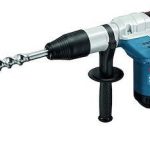
Two questions settle most SDS purchases. The first is bit size, because SDS Plus covers wall plugs, cable runs and small breaking jobs, while SDS Max only earns its weight and cost when a chimney breast or concrete floor is coming out. The second is which batteries are already on your shelf, as a bare cordless body is only good value if you've got the packs to run it.
We use SDS drills regularly across our own properties, and the six here run from everyday SDS Plus drills to two full-size SDS Max machines.
How We Tested These SDS Drills
We own a number of properties, including rentals and Airbnbs, so we use SDS drills regularly. Our lead photo shows our corded Makita, a different model from the cordless DHR242Z reviewed below, on hammer mode, chiselling out the wall to make space so we could fit a new plug socket.
It hasn't always been a Makita. The DEWALT in the photo below is an older corded model we owned before, and next to the Makita it felt short on performance, which is the main reason we upgraded. It isn't the cordless DCH133NT reviewed below, so that model's figures come from DEWALT. We've also taken on demolition work that needed SDS Max bits, and the second photo shows how much bigger an SDS Max shank is than a standard SDS Plus one.


The bit matters as much as the drill. SDS and SDS Plus bits fit the same chuck and can be swapped between those drills, but SDS Max bits only fit an SDS Max tool. Those bigger bits are for breaking out large areas of masonry and getting through harder material, so they're overkill for putting up a shelf.
The Short below shows one of our SDS drills breaking up concrete with ease. We've written up the full method in our guide on how to break up concrete.
Need To Break Concrete? An SDS Drill Is What You Require & We've Tested Multiple To Find The Best!
An SDS drill isn't just for smashing things. When we installed a vented tumble dryer, we used one in rotation-only mode with a good core bit to cut the vent hole through a cavity wall.
Every drill here was judged on the same points, using our own time with SDS drills and the manufacturers' published specs where we haven't run a particular model ourselves:
- Hitting power: blows per minute and how well it gets through concrete and hard brick
- Modes: rotary only, hammer drill and hammer only, plus any rotation stop for chiselling
- Capacity: the largest hole the brand quotes in concrete, steel and wood
- Handling: weight, grip, side handle adjustment and vibration control
- Power source: cordless convenience against corded stamina, and 110V options for site use
- Extras and value: carry case, warranty terms and what you get for the money
The SDS Drills We Recommend
The first four take SDS Plus bits for everyday masonry work, and the last two are SDS Max tools for heavy breaking. Check whether a cordless model comes with a battery before you buy.
Best Overall
Makita DHR242Z SDS Plus Drill

Best for: Homeowners already on Makita 18V batteries who want one SDS drill for everything
Check Price On AmazonThe DHR242Z is a cordless SDS Plus drill with the three modes you'll use around a house. Rotation only handles wood and metal, rotation with hammer is for masonry, and hammer only turns it into a chisel. Makita quotes 4,700 blows per minute and holes of up to 24mm in concrete, 13mm in steel and 27mm in wood, enough for fixings, cable holes and most small breaking jobs.
Control is where it earns its place. The variable trigger and constant speed control keep the bit steady as it bites, the electronic brake stops it quickly when you let go, and the adjustable side handle is comfortable to hold for longer runs. Makita gives a 1 year warranty as standard and adds another 2 years if you register the drill within 30 days, so don't skip that step.
What we like
- Three modes covering drilling, hammer drilling and chiselling
- 4,700 blows per minute according to Makita
- Takes SDS and SDS Plus bits
- Variable trigger with constant speed control
- Electronic brake stops the bit quickly
- Adjustable side handle that's easy to grip
- Warranty extends by 2 years when registered within 30 days
What to know
- Lacks power next to some of the alternatives here
- Check the listing for whether a battery and charger are included
Our verdict
If you're on Makita 18V batteries, this is the SDS drill to own, as the variable trigger and brake make it easy to control on the everyday masonry jobs around a house. Register it within 30 days for the extra two years of warranty. Anyone without batteries will find the corded Bosch GBH 2-26 a cheaper way in.
Best Cordless
DEWALT DCH133NT Cordless SDS Hammer Drill

Best for: DEWALT battery owners drilling into concrete, brick and masonry
Check Price On AmazonThe DCH133NT is DEWALT's compact cordless SDS Plus drill, aimed squarely at concrete, brick and masonry. DEWALT quotes up to 5,500 blows per minute and a drilling capacity from 4 to 22mm depending on the material, and at 2.3kg without a battery it's light enough to hold above your head when fixing into a ceiling.
The rotation stop turns it into a light chiselling tool for jobs like knocking off old tile adhesive or opening out a socket box. It comes in a carry case and is backed by a three year warranty from DEWALT.
The NT version is sold as a bare tool, so you'll need a DEWALT battery and charger. If you already run DEWALT kit, that makes it good value. If not, the cost of adding them changes the sums.
What we like
- Up to 5,500 blows per minute according to DEWALT
- 2.3kg without the battery for overhead work
- Rotation stop mode for light chiselling
- Drilling capacity of 4 to 22mm depending on material
- Supplied in a carry case
- Three year warranty
What to know
- Sold as a bare tool so the battery and charger cost extra
- Smaller maximum hole size than the Makita DHR242Z
Our verdict
Light enough for overhead fixings and handy for small chiselling jobs, the DCH133NT is a natural fit for anyone already on DEWALT batteries. Buying into the platform from scratch changes the sums, so weigh up the cost of a battery and charger first.
Best Corded
Bosch GBH 2-26 Corded SDS Drill

Best for: Budget buyers who want a dependable corded SDS drill with chisel function
Check Price On AmazonThe GBH 2-26 is one of the cheapest SDS drills from a big-name brand, and it's the one we'd point people towards if they don't want to buy into a battery platform. Bosch rates it at 4,000 blows per minute and up to 900rpm, which is plenty for drilling into brick and block or chasing out a little plaster.
It has a chisel function, variable speed, a rotation clutch and a quick change chuck, and the soft grip makes it comfortable to hold. You can buy it as a 230V model for home use or a 110V model if you're working on a site that needs reduced voltage tools. It comes in a hard carry case.
Being corded, it never runs flat halfway through a long job, but you'll need an extension lead in the garden and the cable can get in the way up a ladder.
What we like
- Chisel function for breaking out plaster and tiles
- 4,000 blows per minute and up to 900rpm according to Bosch
- Available as 230V or 110V
- Variable speed and a rotation clutch
- Quick change chuck
- Hard carry case included
What to know
- The cable limits where you can work without an extension lead
- Fewer blows per minute than the cordless DEWALT DCH133NT
Our verdict
A first SDS drill doesn't need to be expensive, and the Bosch gives you a proper chisel function and a hard case at a budget price, plus a motor that never runs flat on a long job. The cable is the compromise, so lofts, ladders and gardens are easier with a cordless model.
Best For Performance
Milwaukee M18CHX-0 Cordless SDS Drill

Best for: Trades and heavy users who drill into concrete most days
Check Price On AmazonThe M18CHX is the dearest SDS Plus drill in this roundup, and it's built for people who use one every working day. Milwaukee describes it as the second hardest hitting SDS hammer in its class, and quotes 5,100 blows per minute and a no-load speed of 1,400rpm. Milwaukee also says the motor lasts longer and delivers more power than its earlier models.
It has four modes, a keyless bit change, an all-metal gear case and a built-in LED light that helps in lofts and under stairs. There's also a dedicated HEPA dust filter, which is worth having when you're drilling into plaster indoors. At 3.3kg it's a fairly weighty drill, so it suits drilling into walls more than working overhead.
What we like
- 5,100 blows per minute and 1,400rpm according to Milwaukee
- Four operating modes
- Keyless bit changes
- All-metal gear case
- Built-in LED light for dark corners
- Dedicated HEPA dust filter
What to know
- The most expensive SDS Plus drill in our roundup
- Weighs 3.3kg, which tells on overhead work
Our verdict
Drilling into concrete most days is where the M18CHX pays its way, with the HEPA filter keeping dust down indoors and the metal gear case built for hard use. It's the priciest SDS Plus drill here. Occasional DIYers will be well served by the Makita DHR242Z for far less.
Best SDS Max
Makita HM0871C SDS Max Demolition Hammer

Best for: Big breaking jobs like chimney breasts, concrete bases and thick masonry
Check Price On AmazonThe HM0871C takes SDS Max bits and works in hammer only mode, so it's a breaker rather than a drill. That makes it the tool for taking down a chimney stack, breaking out a concrete path or knocking through solid masonry, the jobs where an SDS Plus drill would take all day. Makita rates it at 2,650 blows per minute.
Makita's anti-vibration technology is what makes long sessions bearable, and the soft start stops the chisel skating about when you first pull the trigger. It's double insulated, has an LED power indicator and variable speed control, and comes in a heavy duty carry case.
The warranty follows Makita's usual pattern, 1 year as standard with 2 more if you register it. As it can't rotate, you'll still want an SDS Plus drill for making holes.
What we like
- Anti-vibration technology for longer breaking sessions
- Soft start keeps the chisel steady
- Variable and constant speed control
- Double insulated with an LED power indicator
- Heavy duty carry case
- Warranty extends by 2 years when registered
What to know
- Hammer only, so it can't drill holes
- Costs far more than an SDS Plus drill
Our verdict
Serious demolition, such as a chimney stack or a concrete path, is the HM0871C's job. Pick it if breaking out is all you need, as there's no drilling mode. For an SDS Max tool that drills as well, the Bosch GBH 5-40 is the alternative.
Best SDS Max Runner-Up
Bosch GBH 5-40 Professional SDS Max Drill

Best for: Larger holes and chiselling in masonry with SDS Max bits
Check Price On AmazonThe GBH 5-40 is an SDS Max rotary hammer, so it drills as well as chisels, which sets it apart from the Makita breaker above. Bosch rates it at 1,150W with up to 3,050 blows per minute, and pitches it for jobs from removing plaster to chiselling slots in masonry, with settings you adjust to suit each material.
The vibration control is designed for long periods of use, and the ball grommet lets the cable move freely so it doesn't kink as you work around a room. There's an ergonomic adjustable grip and an automatic switch lock for continuous chiselling. You can buy it as a 110V model for site work or a mains voltage version for home use.
What we like
- Drills and chisels with SDS Max bits
- 1,150W motor with up to 3,050 blows per minute according to Bosch
- Vibration control for continuous use
- Ball grommet stops the cable kinking
- Automatic switch lock for long chiselling runs
- Available in 110V and mains voltage
What to know
- Costs more than the Makita HM0871C
- Far too big for everyday fixings and small holes
Our verdict
Drilling large holes as well as breaking out masonry is what the GBH 5-40 offers over the Makita breaker. It costs more, so if demolition is all you're doing, the Makita HM0871C is our first pick. Small fixings call for an SDS Plus drill instead.
What To Look For In An SDS Drill
Most people buying their first SDS drill are moving up from a combi drill that's struggled with a concrete lintel or a hard engineering brick. Before choosing, think about the biggest job you have planned and how much use the tool will get after it. These are the things to weigh up before you buy.
SDS Plus Or SDS Max
SDS Plus is the size that suits nearly every homeowner. It takes bits for wall plugs, cable holes and core drilling, and it'll break out plaster, tiles and small areas of concrete with a chisel fitted. The drills are a manageable size for most people.
SDS Max tools are much bigger, heavier and dearer, and the bits are a different size altogether, as the testing photos further up show. They're worth hiring or buying when you're taking out a chimney breast, a concrete floor or a solid wall. If you're buying bits as well, our guide to the best masonry drill bits covers what to look for in brick and concrete.
Cordless Or Corded
A cordless SDS drill is far handier around a house, especially up ladders, in lofts and out in the garden. The catch is batteries. If you already own a platform such as Makita or DEWALT, buying the bare tool keeps the cost down, which is how the DHR242Z and DCH133NT are sold. If you own no batteries at all, a corded model like the Bosch GBH 2-26 is the cheaper way in and keeps going for as long as you need it.
Look for 110V versions only if you work on building sites that require them. For home use, a standard mains drill is what you want.
Modes And Rotation Stop
Three modes cover most household work. Rotary only is for wood, metal and tiles, hammer drilling is for masonry, and hammer only turns the drill into a light breaker. Rotation stop lets you set the angle of a flat chisel, which helps when you're removing tiles or cutting a channel for cable.
Hammer drilling into ceramic tiles will crack them, so drill through the tile on rotary only and switch to hammer once you reach the wall behind. Our guide on removing old tiles shows how a chisel bit makes short work of stripping a wall.
Blows Per Minute And Capacity
Blows per minute tell you how fast the hammer action works, and capacity tells you the largest hole the brand says the drill can manage in each material. Higher figures help on hard concrete, but weight and vibration matter just as much over a long day. A drill that's comfortable to hold will get more done than a heavier one you keep putting down.
Comfort And Safety
Look for an adjustable side handle, a depth stop and a slip clutch that cuts drive if the bit jams. Anti-vibration systems on SDS Max tools make a real difference on long breaking jobs. Wear eye protection and a dust mask every time, and check for cables and pipes before drilling into any wall. For driving the screws once your holes are drilled, an impact driver is the natural partner to an SDS drill.
Questions About SDS Drills We Get Asked
What is the difference between an SDS drill and a hammer drill?
An SDS drill uses a piston to drive the bit into the masonry, while a standard hammer drill relies on two ridged discs rattling against each other. The SDS action hits much harder for the same effort, so it gets through concrete and hard brick far faster. SDS bits also slide in the chuck, which lets them move with each blow and stops them slipping.
Can you use an SDS drill on wood and metal?
Yes, an SDS drill can drill wood and metal as long as you switch to rotary only mode and turn the hammer action off. You'll need an adaptor chuck to hold standard round or hex bits, as the SDS chuck only grips SDS shanks. For lots of precise work in timber, a normal drill driver is lighter and easier to control.
Will SDS Plus bits fit an SDS Max drill?
No, SDS Plus bits won't fit an SDS Max drill, because the Max shank is much wider and has a different groove pattern. SDS and SDS Plus bits are interchangeable between those drills, but SDS Max tools need their own bits. Adaptors exist to fit smaller bits in a Max chuck, though most people keep an SDS Plus drill for small holes instead.
Do I need an SDS drill to drill into brick?
You don't need an SDS drill for the occasional hole in soft brick, as a combi drill on hammer mode with a sharp masonry bit will get there. An SDS drill becomes worth it for hard engineering brick, concrete, dense block or lots of holes in a row, where a combi drill overheats and slows down. It also handles larger fixings and core holes far more easily.
Is the DEWALT DCH133NT worth choosing over the Makita DHR242Z?
The DEWALT DCH133NT is worth choosing if you already run DEWALT batteries. DEWALT quotes up to 5,500 blows per minute, it's 2.3kg without a battery for overhead fixings, and it has a three year warranty. The Makita DHR242Z has a larger quoted concrete capacity of 24mm and constant speed control, and it's our pick for most homeowners.
Can an SDS drill cut the hole for a tumble dryer vent?
Yes, when we installed a vented tumble dryer we used an SDS drill in rotation-only mode with a good core bit to cut the vent hole through a cavity wall. Switch the hammer action off for the core bit. Our guide on installing a vented tumble dryer covers the full job.
Is an SDS Max breaker overkill for a homeowner?
For most homeowners an SDS Max breaker is overkill, because it's heavier, dearer and takes bigger bits. The Makita HM0871C earns its place on jobs like taking down a chimney stack or breaking out a concrete path. It works in hammer only mode and can't drill holes, so you'll still want an SDS Plus drill.
Is the Bosch GBH 2-26 a good first SDS drill?
Yes, the Bosch GBH 2-26 is a sensible first SDS drill if you don't own any cordless batteries. It's one of the cheapest from a big-name brand, with a chisel function, variable speed and a hard carry case. Bosch rates it at 4,000 blows per minute. The cable is the compromise, so you'll need an extension lead in the garden.
Our Pick Of The SDS Drills
The Makita DHR242Z is the SDS drill we'd recommend to most homeowners, with all three modes, solid control and the freedom of a cordless tool. If you don't run any batteries, the corded Bosch GBH 2-26 gives you a dependable SDS Plus drill for less.
For proper demolition, the Makita HM0871C is our pick of the SDS Max breakers, and the Bosch GBH 5-40 is the one to choose if you need to drill large holes as well.

Dave, or Demolition Dave as the team calls him, worked as a builder for over 10 years before joining DIY Works. He now concentrates on his own properties and writes most of our construction content, along with tools, carpentry and plenty more.