How To Fit A Shower Tray
A tray that's dead level with an easy route to the waste saves you years of leaks and slow drainage.

The short answer
To fit a shower tray, measure and mark its position, then either set an adjustable tray on its legs or bed a low profile tray onto a level layer of sand and cement. Connect and leak test the waste with a jug of water before sealing. The tray must be perfectly level, and the waste needs a way in for future repairs.
A good quality shower tray only performs as well as the job underneath it. A tray that rocks, sits slightly out of level or has a waste joint that weeps will cause slow drainage, cracked sealant and water damage below, however much it cost.
Fitting one is well within reach if you've done some plumbing and carpentry before, and the steps below cover both of the main types of tray.
Low Profile And Adjustable Shower Trays
The type of tray you buy decides how it goes in, so get clear on the difference before you order.
Low profile trays sit as close to the floor as possible and give a sleek, near flush look. They're the trickier option because the waste has to run below floor level, which means cutting into a timber floor and leaving an access hatch for the plumbing. The photos in this guide are from one of our installs, where a tileable tray former was set into a cut-out in the floor and then tiled over to give a wet room finish.
Adjustable trays stand on legs or a riser kit, so the waste runs in the gap underneath and the height can be set to suit the room. They're simpler to level on an uneven floor and leave the pipework easy to reach behind a removable panel if there's ever a leak or a part to replace.
Measuring For A Shower Tray
Trays come in a wide range of shapes and sizes, from compact squares to long rectangles running from around 700mm up to 1800mm. Measure the space twice and check it against the shower enclosure or screen you plan to fit, because the tray and enclosure need to match.
Check where the waste outlet will sit in relation to the floor joists and the existing waste pipe before you order. A waste that lands on top of a joist is a problem that's far easier to solve on paper than halfway through the job.
Tools And Materials For Fitting A Shower Tray
- The shower tray and its waste
- A spirit level
- A jigsaw or hacksaw
- A tape measure and marker pen
- Sand and cement, or the bedding the tray maker specifies
- Bathroom silicone sealant and a sealant gun
- Waste pipe, fittings and connectors to reach the existing waste
The photo below shows how much goes into a low profile install, from the cut-out and waste parts to the fittings laid out on the floor.

How To Fit A Shower Tray
The two types of tray go in differently, so follow the set of steps that matches yours.
How To Fit An Adjustable Shower Tray
- Measure and mark the position of the tray on the floor and walls.
- Turn the tray over and attach the legs or riser frame.
- Stand the tray in place and wind the legs up or down to the height you need.
- Lay a spirit level across the tray in both directions and adjust until it's level every way.
- Fit the waste to the tray and check it lines up with the waste pipe.
- Offer up the side panels and mark them if they need trimming.
- Lock the legs off and check the level once more.
- Connect the waste and pour a jug of water down it, watching every joint for drips.
- Seal around the tray with silicone sealant once the walls are finished.
- Clip the side panels on.
How To Fit A Low Profile Shower Tray
- Check the floor is flat and strong enough to carry the tray, the water and the person using it. Timber floors with any bounce need stiffening first.
- Cut an access hatch in the floorboards beside the tray so you can reach the waste connection later.
- Cut the hole for the tray waste.
- Mix the sand and cement and spread an even bed where the tray will sit.
- Lower the tray gently onto the bed, tapping it down and checking with a spirit level until it's level all round.
- Leave the tray and bedding to set for at least 24 hours without standing on it.
- Connect the tray waste to the bathroom waste pipe through the access hatch.
- Pour a jug of water through and check underneath for leaks.
- Seal the joint between the tray and the walls with silicone sealant.
With either type, the walls go on after the tray so the tiles or panels overlap its upstand. Our guide to the tools you need for tiling covers the kit for that next stage.
Getting A Level Tray And A Leak-Free Finish
Level is the single most important part of fitting a shower tray. The slope towards the waste is moulded into the tray itself, so a tray that sits even slightly off will leave puddles in one corner and push water against the sealant instead of towards the drain. Check it in both directions, then check it again after the bedding has set.
Think about future repairs before you box everything in. Leave room around the waste trap so you can get a hand in, and avoid cramming fittings tightly together where you'll never reach them again. A removable panel or a floor hatch costs very little at this stage and saves pulling up tiles later.
The sealant joint between the tray and the wall takes a lot of movement as the tray flexes under weight. Some fitters fill the tray with water before sealing so the joint is made with the tray at its lowest, which helps the bead last. Our step by step guide to sealing around a bath uses the same technique and works just as well on a shower tray.
Once the walls and sealant are finished, the screen or door goes on last, and fitting a shower screen shows how the wall channel is fixed and sealed.
More Questions Answered
Do you tile before or after fitting a shower tray?
Fit the shower tray first, then tile down onto it. The tiles should sit over the upstand at the back of the tray so water running down the wall drips into the tray rather than behind it. Leave a small gap between the bottom row of tiles and the tray for a bead of silicone sealant.
What do you put under a shower tray?
A low profile shower tray sits on an even bed of sand and cement, or whatever bedding the manufacturer specifies, laid on a flat and solid floor. Adjustable trays stand on their own legs or a riser frame, so they don't need a bed underneath. Either way, the floor below must be strong enough not to flex under the tray.
How long should a shower tray set before use?
A low profile shower tray bedded on sand and cement needs at least 24 hours to set before anyone stands in it. After that, the silicone sealant around the edges needs its own curing time, which is printed on the tube. Using the shower before both have set risks cracking the bedding or splitting the seal.
Why is my new shower tray not draining properly?
Standing water in a new shower tray points first to a tray that's out of level, where the moulded slope runs away from the waste instead of towards it. Check it with a spirit level in both directions. A slow drain can also come from a waste trap that's partly blocked, a kinked waste pipe or a pipe run with too little slope to the main waste.
Is a low profile or an adjustable shower tray easier for a DIY fitter?
An adjustable tray is the easier job. You wind the legs to get it level, even on an uneven floor, and the waste sits in the gap underneath. With a low profile tray the waste has to go below floor level, so you're cutting into the timber floor and leaving a hatch to reach it.
Why does the waste position matter before you order a tray?
The outlet has to meet your existing waste pipe and miss the floor joists. Finding a joist right under the waste halfway through the fit is a far bigger headache than spotting it with a tape measure beforehand, so check where the outlet falls before you buy.
Do I need an access hatch when fitting a shower tray?
For a low profile tray, yes. Once the floor is tiled, a hatch in the boards beside the tray is your only way back to the waste connection. Adjustable trays get round this with a removable side panel. Whichever you fit, leave enough space around the trap to get a hand in, or a simple repair turns into pulling up tiles.
Why fill the tray with water before sealing it?
Filling it weighs the tray down, so the sealant goes on with the tray already at its lowest. The bead then isn't pulled apart every time the tray flexes under someone's weight, which helps it last. Some fitters do it this way, after leak testing the waste with a jug of water.
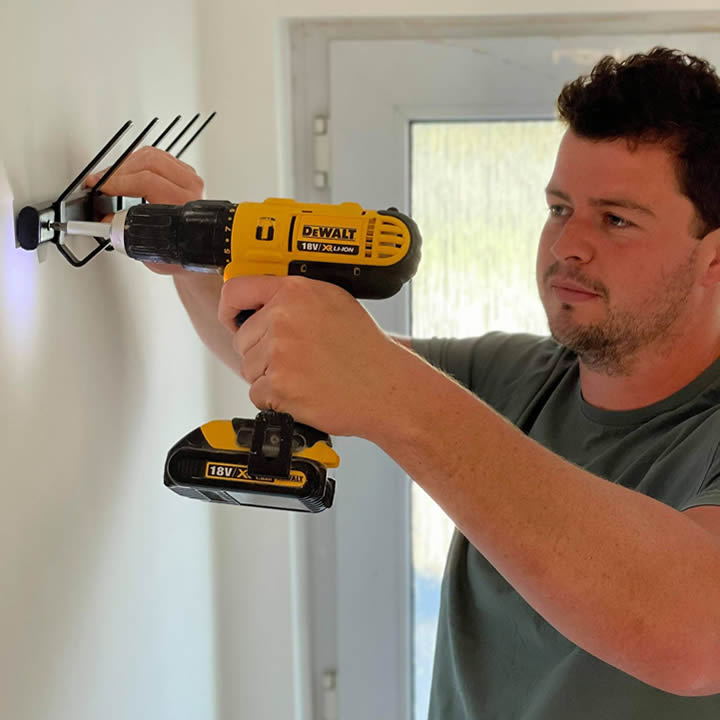
Richard has spent years renovating properties and turning them into rentals and Airbnbs. Like a lot of people he started out as a beginner, and these days there isn't much DIY he won't take on.